
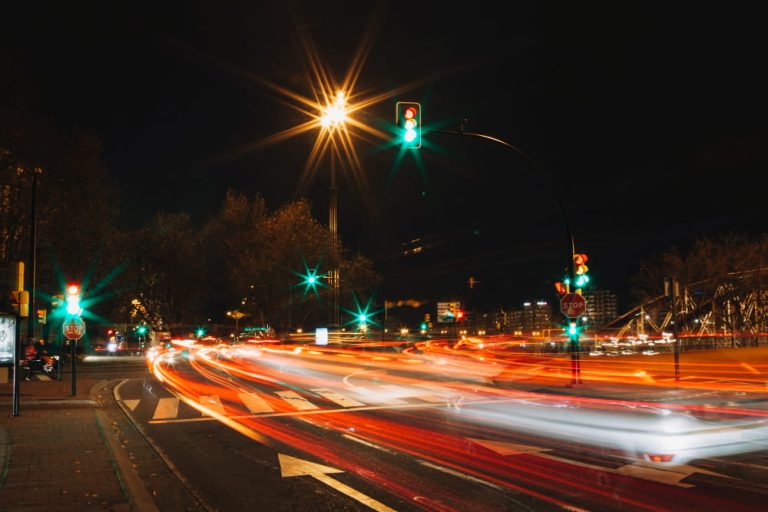
You slow down a bit as you come up to Queens Boulevard. That instinct has been there for years. This stretch had a reputation, and people felt it whether they were driving or just crossing the street. Now, though, it does not feel quite the same. Things are starting to shift. New numbers from the NYC Department of Transportation show traffic deaths dropping to near-record lows in early 2026. It is not just a statistic.
It is something people are beginning to notice in real time. The whole city is seeing improvements, and Queens is making significant progress. Even with better numbers, we still have to deal with massive amounts of traffic every day. Crashes still happen. People still get hurt. When they do, they usually need help from Queens car accident lawyers to figure out the legal side of things.
Breaking Down the Safety Stats
The 2026 Drop
New York City saw 42 traffic deaths in the first few months of 2026. That is a 7% drop from the same time last year. It is actually one of the lowest counts we have ever seen. If you look at records going back to 1910, this is the third-lowest first-quarter total on the books. It isn’t just a lucky break. It fits into a larger pattern of the city getting its act together on road safety.
Less Danger for Everyone
The numbers look better all around. There were about 21% fewer deaths of people walking. That’s a big deal because people who are walking are always the most at risk. There were also 20% fewer deaths among drivers and passengers. So the changes are good for everyone, not just one group. In 2025, there were 23% fewer traffic deaths in our borough, Queens. It’s clear that the local projects are doing what they’re supposed to do.
Why Are the Streets Getting Safer?
Better Street Design
A big part of this is the Vision Zero program. They stopped just asking drivers to be careful and started actually changing the roads. The goal is to force cars to slow down and make it easier to see at intersections. In Queens, they took major roads and added protected bike lanes and pedestrian islands. They fixed the crosswalks. When you change the physical layout, injuries go down. It works much better than just crossing our fingers and hoping people drive safely.
Cameras and Crackdowns
Physical changes are only half the story. The city also installed many more speed cameras. Where those cameras are set up, extreme speeding has dropped by over 95%. They are also cracking down on people who run red lights and drive recklessly. People are driving better because they know they will get caught. There is also talk about a new “Super Speeder” law. The idea is to go after repeat offenders hard and get the most dangerous drivers off the road entirely.
What This Means for Us Right Now
Safer but Not Perfect
Hearing about fewer deaths is great. But anyone who lives in Queens knows some of our roads are still chaotic. We have huge intersections and a ton of cars. Some roads have a history of being dangerous because of their design and the volume of traffic they handle. We are still out there dealing with fast-moving cars every day. The risk is lower, but it hasn’t disappeared.
Doing Our Part
A lot still depends on us. People still need to follow the speed limit and use the actual crosswalks. Looking at your phone while walking or driving is still a terrible idea. We also need to speak up. If a traffic light is out or an intersection feels dangerous, we have to report it. Long-term safety only works if the city keeps upgrading the roads, and we actually pay attention while using them.
Conclusion
Seeing traffic deaths drop this much is a big deal. It changes how New York City handles its streets, and Queens is a great example of that shift. The data proves a simple point. If you redesign the roads, use cameras, and enforce the laws, fewer people die.
But progress isn’t the finish line. A safer street isn’t the same thing as a totally safe street. We had a great start to 2026. Keeping that momentum means the city has to keep investing in better roads, and everyone else has to drive with some common sense. That is the only way these numbers will keep going down.