
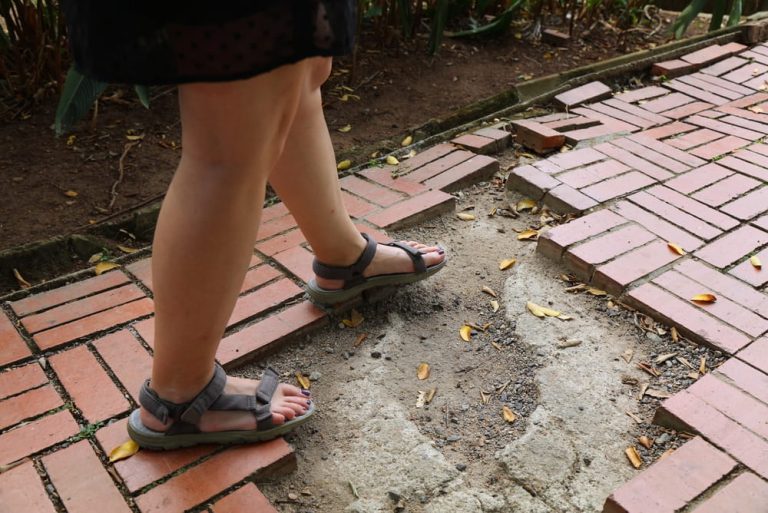
You trip over a broken section of sidewalk in Queens and hit the ground before you have time to react. You may be able to sue NYC, but the property owner next to the sidewalk is often responsible instead. A Queens sidewalk injury lawsuit generally depends on who had the legal duty to maintain the area where you fell.
New York City can still be responsible in some cases, and different notice requirements and filing deadlines may apply. Photos, measurements, witness statements, ownership records, and past repair information can help show who was responsible. A Queens slip and fall lawyer can investigate the sidewalk and determine whether the city, a property owner, or another party may be liable.
Table of Contents
- Who Is Responsible for a Queens Sidewalk Injury?
- How Do Sidewalk Conditions Affect Liability?
- What Can Hurt a Sidewalk Injury Claim?
- When Should You Contact a Queens Slip and Fall Lawyer?
- Frequently Asked Questions
Who Is Responsible for a Queens Sidewalk Injury?
The answer often turns on the property beside the sidewalk, what caused the defect, and whether one of New York City’s statutory exceptions applies.
Who Is Liable for a Defective Queens Sidewalk?
Under NYC sidewalk liability rules, Administrative Code § 7-210 generally requires owners of adjoining property to keep public sidewalks reasonably safe. That means a Queens sidewalk injury lawsuit may be brought against the private owner rather than NYC. Ownership is only the beginning of the investigation. Property type, repair history, who created the defect, how long it existed, and whether someone made a special use of the sidewalk can all matter. In Queens premises liability cases, simply finding the owner’s name does not settle responsibility.
When Can NYC Be Liable for a Sidewalk Injury?
Section 7-210 generally does not shift statutory sidewalk liability to the owner of an owner-occupied one-, two-, or three-family property used only as a residence. NYC may then remain a potential defendant, although Administrative Code § 7-201©(2) usually requires prior written notice of the particular defect. Two recognized exceptions can matter: the City may be liable if it negligently created the dangerous condition or made a special use of the sidewalk. An exempt homeowner is not automatically free from liability either. Common-law liability can still arise if the owner created the hazard or made it worse.
How Do Sidewalk Conditions Affect Liability?
A cracked or raised sidewalk may look like the same problem from one block to the next, yet the legal result can change depending on the property and the defect’s history.
What If You Trip Outside a Business?
A Queens sidewalk accident involving a raised slab outside a store or apartment building may lead to a claim against the adjoining owner when § 7-210 applies, and the evidence supports negligence. In Tovar v. Queens 111-02, LLC, a Queens case involving privately owned property, evidence indicated that the sidewalk defect had been visible for years, and liability against the owner was upheld. A defective sidewalk accident is not proved by showing a height difference alone. The surrounding facts still matter, including notice and whether the condition was actually dangerous.
What If You Fall Outside a Two-Family Home?
A sidewalk trip and fall Queens claim outside an owner-occupied two-family residence may follow a different route because the § 7-210 liability shift may not apply. Attention then turns to whether NYC had prior written notice, whether the homeowner created or worsened the defect, or whether another party worked at that location. For a New York City sidewalk claim, the exact address and property classification can be just as important as photographs of the defect itself.
What Can Hurt a Sidewalk Injury Claim?
These cases can weaken quickly if you pursue the wrong defendant or the sidewalk changes before you properly document the condition.
Why Should You Check the Property Owner First?
- 7-210 applies to many commercial buildings, apartment properties, and other non-exempt premises and usually makes the adjoining owner responsible for the sidewalk. A public sidewalk alone does not make NYC liable. You may be able to review property records to see who owns the building. Photos, management information, tenant records, and repair history may show who took care of the area and whether anyone worked on the sidewalk before the fall. Checking those facts early can prevent the case from being brought against the wrong party.
How Can Delays Hurt a Sidewalk Injury Claim?
Sidewalk evidence does not stay the same forever. Concrete may be patched, ice can disappear, roots may be cut back, and nearby surveillance may be erased. If NYC could be responsible, General Municipal Law § 50-e generally requires a notice of claim within 90 days, and § 50-i generally requires the lawsuit within one year and 90 days, subject to applicable rules and exceptions. A negligence claim against a private property owner generally falls under CPLR § 214’s three-year limitations period. Those time limits are different, which makes early identification of the defendant especially important.
When Should You Contact a Queens Slip and Fall Lawyer?
Early legal review can matter when it is not clear whether the City, a property owner, or someone else controlled the condition that caused the fall.
When Does a Sidewalk Injury Need Legal Review?
A Queens slip and fall lawyer may be useful when the injury is serious, repairs happened soon after the accident, or responsibility between NYC and a private owner is unclear. A closer look can also help when the adjoining property may qualify for the residential exemption, several parties point fingers at one another, or maintenance and surveillance records risk disappearing. Municipal claims deserve particular attention because the notice period can expire long before the ordinary deadline for a private negligence lawsuit.
How Can a Lawyer Identify the Right Defendant?
A lawyer can start with the property next to the sidewalk, then check ownership records, the § 7-210 exemption, City or DOT records, and evidence of prior written notice. A contractor or other party may be identified through prior repair work. The investigation may also determine whether the owner or NYC created the defect, and whether the injured person may be charged with contributing to the fault. Getting that sorted out early reduces the risk of chasing the wrong defendant, while a shorter filing deadline continues to tick away.
Frequently Asked Questions
Is NYC Liable for Every Queens Sidewalk?
No. Administrative Code § 7-210 generally shifts responsibility for defective sidewalks to the adjoining property owner, although statutory exceptions apply.
Are Small Residential Owners Always Liable?
No. The statutory shift generally does not apply to qualifying owner-occupied one-, two-, or three-family properties used exclusively as residences. An owner can still face common-law liability in some circumstances.
Does NYC Need Prior Notice of a Sidewalk Defect?
Usually, yes, when the claim depends on a defective municipal sidewalk. Administrative Code § 7-201©(2) generally requires prior written notice unless a recognized exception applies.
What Is the Deadline to Notify NYC?
When General Municipal Law § 50-e applies, you generally must serve a notice of claim within 90 days.
What Evidence Helps Prove a Sidewalk Claim?
Helpful evidence may include photographs, measurements, surveillance footage, witness accounts, repair or inspection records, 311 or DOT records, earlier complaints, ownership information, and medical records connecting the fall to the injuries.